
JOLT

System modernization

If every new feature means another workaround, the cost of older software is already reaching the business. Jolt helps replace the parts causing security risks, outages or expensive maintenance, while planning the transition around the services your customers and staff rely on.

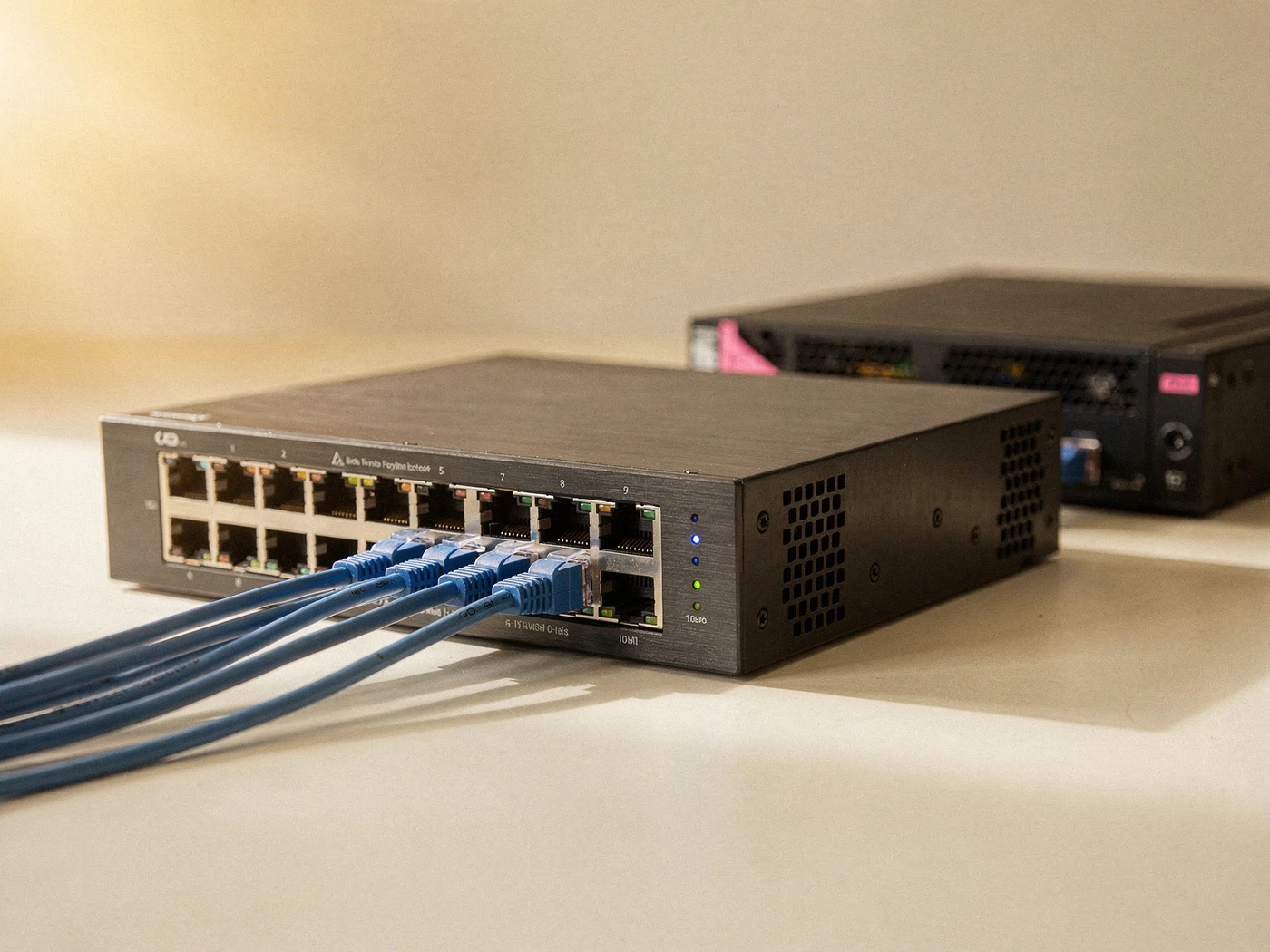
Network hardware with neatly connected blue cables

Modernise the system your business depends on

Start with the problem: slow releases, unsupported software, recurring outages or systems that no longer connect properly. We work with the people responsible for the business and its IT to identify what should change first, what can stay, and how each investment will be judged.

Know what to fix first

We trace an important transaction through the system and identify its dependencies, security exposure and support costs. Architecture review and threat modelling turn that picture into a costed migration plan. Your team can decide which changes reduce the most risk or free the most capacity for new work.


Safer services with Rust

A vulnerable C or C++ service may be a good candidate for Rust. Its memory-safety checks can prevent classes of errors that cause crashes and exploitable bugs. We retain the required interfaces and behaviour, review unsafe code and dependencies, and test the replacement. Rust addresses memory risks; access control and business logic still need their own checks.

Protect access to business systems

Staff should use your company sign-in, with multi-factor authentication and only the access their role needs. We design service permissions, encryption and secret handling around that model. Security tests and dependency checks run before release, while audit logs help your team establish who changed what when investigating an incident.

Make recovery part of the operating plan

Agree how much downtime and data loss the business can tolerate, then test recovery against those limits. We plan hosting capacity and costs, make environments repeatable with infrastructure as code, and establish monitoring and release controls. The operating team receives procedures for restoring service and clear ownership of alerts and support.

Industry research & examples

Less maintenance. More room to move.

The cost of keeping everything as it is

In a 2020 survey of 50 CIOs at large financial-services and technology companies, McKinsey found that technical debt absorbed 10–20% of budgets intended for new products. For Jolt, the first question is where maintenance is consuming your team’s time. We prioritise changes by that cost, the risk to operations and the features they make possible.

McKinsey · 2020 — Read the source

Rust in production at Google

Google reported in 2025 that medium and large Rust changes in Android had roughly a quarter of the rollback rate of C++ changes. That is evidence from one engineering environment, rather than a forecast for yours. It supports a practical option: use Rust for suitable high-risk services, then measure release stability and maintenance effort in your own system.

Google / Android · 2025 — Read the source

Featured Projects

View more projects

Banking platform modernization

Stone and glass architecture of a financial institution
  1. Review the risks

    Assess threats and inherited services.

  2. Replace critical services

    Address risks through targeted rewrites.

  3. Prepare for operation

    Document controls and plan recovery.

Business challenge
Replace inherited services while addressing security risks, audit requirements and operational resilience.
Jolt’s work
We helped a California bank replace inherited services. The work included threat review, risk remediation, targeted memory-safe rewrites, audit evidence and resilience planning.
Read the case study

Construction operations platform

Commercial construction site with structural frames and a tower crane
  1. Capture site activity

    Field work, scans and inventory in one system.

  2. Connect the office

    Link operations with Procore and Sage.

  3. Manage the business

    Support tasks, assets and health and safety.

Business challenge
Connect field work with the office systems used to manage people, assets and safety.
Jolt’s work
A custom platform connecting field workflows, 3D scanning, inventory and health and safety. Procore and Sage integrations linked site activity with the wider business.

Replace services in controlled stages

Your team receives a migration roadmap, acceptance criteria and operating documentation. Each stage has a release decision and a recovery plan, so the business knows what is changing and who is responsible.

Discuss your existing system
  1. Establish the baseline

    Capture business rules, interfaces and production behaviour before changing code. Agree the first service to replace and the evidence needed to accept it.

  2. Build alongside the existing system

    Where the architecture allows, route selected requests to the replacement while the original service remains available. Define API contracts and how data stays consistent during the transition.

  3. Test before switching traffic

    Check business transactions, migrated records, security controls and performance under load. Rehearse cutover and rollback, including how to reconcile data written after the switch.

  4. Release, monitor & hand over

    Move traffic in agreed stages and monitor errors, latency and business results. Hand over runbooks, alert ownership and recovery procedures. Retire old services only after acceptance and a reviewed recovery decision.

Get in touch

We'll get back to you as soon as we can.

Oslo

Jolt Oslo

Tordenskiolds gate 2, 0160 Oslo

San Francisco

Jolt at SHACK15

1 Ferry Building, Suite 201, San Francisco, CA 94111